
Clyero ve SellerPic: E-ticaret İş Akışınıza Hangi Yapay Zeka Yaratıcı Araç Uyar?
Hem Clyero hem de SellerPic, e-ticaret ürün görselleri oluşturmak için yapay zekayı kullanıyor ancak farklı sorunları çözüyorlar. SellerPic, basit arka plan değiştirme ve tek görsel iyileştirmeye odaklanır. Clyero, kanallar arasında tam yaratıcı setler üreten çok adımlı içerik ardışık düzenleri üzerine kurulmuştur. İşte dürüst bir karşılaştırma.
Clyero Team
Ürün ve Büyüme
December 10, 2025
Updated April 4, 2026
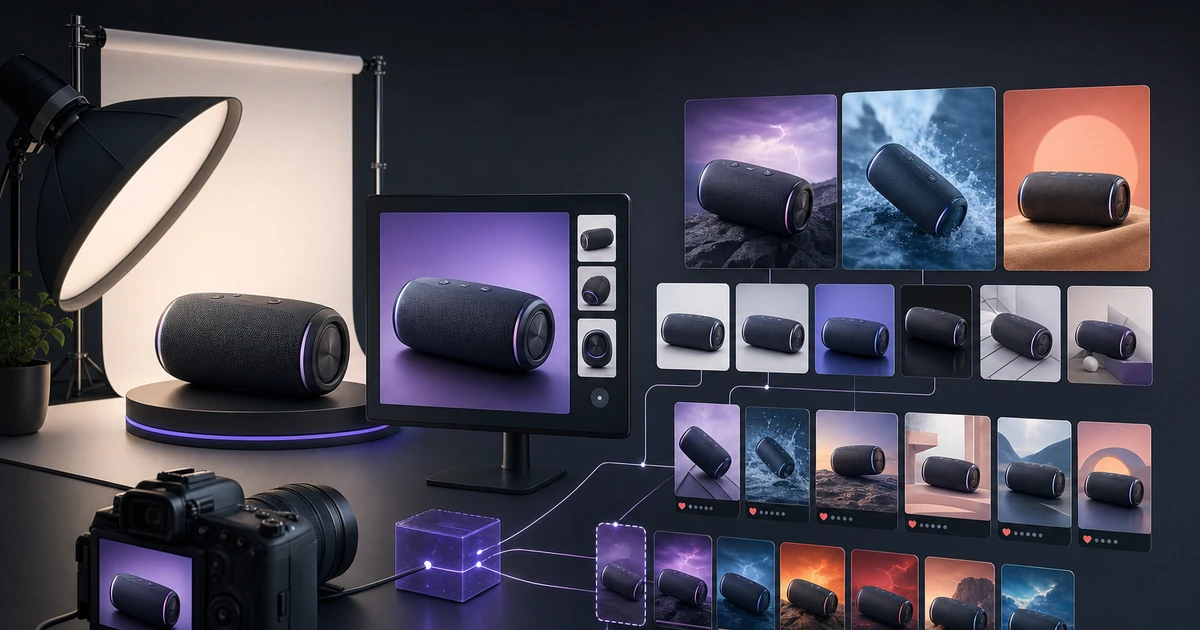
Yapay zeka ürün fotoğrafçılığı araçları kalabalık bir kategoriye dönüştü. E-ticaret topluluklarında sıklıkla gündeme gelen iki isim Clyero ve SellerPic'tir. Bu karşılaştırma doğrudandır; her bir aracın gerçekte neyi iyi yaptığını, her birinin sınırlamaları olduğunu ve hangi kullanım durumlarının her birine uygun olduğunu kapsar.
SellerPic Ne Yapar?
SellerPic, Amazon ve e-ticaret listelemeleri için ürün fotoğrafçılığına odaklanan bir AI görüntü oluşturma ve geliştirme aracıdır. Başlıca yetenekleri şunları içerir:
- Referans ürün fotoğrafından arka plan değişimi ve ortam oluşturma
- Giyim için yapay zeka modeli oluşturma (giysileri sanal modellere yerleştirme)
- Mevcut bir ürün imajı etrafında yaşam tarzı sahnesi oluşturulması
- Tek bir stili birden fazla görüntüye uygulamak için basit toplu işlem
SellerPic'in arayüzü basitlik için optimize edilmiştir. Bir ürün görseli yükleyin, bir arka plan veya ortam seçin, oluşturun. İş akışı, tasarım deneyimi olmayan satıcılar için ulaşılabilirdir ve temel arka plan takaslarının sonuçları sağlamdır.
Sınırlamaları ölçekte ve içerik türlerinde ortaya çıkar. SellerPic yalnızca görseller üretir; video yok, altyazı yok, platforma özel değişkenler yok. Her çıktı bağımsızdır; girişleri birden fazla çıkış formatına bağlayan bir boru hattı mantığı yoktur.
Clyero Ne Yapar?
Clyero, görsel bir işlem hattı düzenleyicisi etrafında oluşturulmuş, yapay zeka destekli bir içerik üretim platformudur. Clyero, tek tek görüntüleri geliştirmek yerine, otomatik olarak yürütülen bağlantılı bir yaratıcı işlemler dizisini tanımlamanıza olanak tanır:
- Ürün görseli → beyaz arka plan görselleri → yaşam tarzı görselleri → video reklamlar → sosyal altyazılar → platforma özel ürünler → planlı yayınlama
Kanvas boru hattı düzenleyicisi Clyero'nun ayırt edici mimarisidir. İş akışını bir kez oluşturursunuz, çıktı gereksinimlerini tanımlarsınız ve bunu herhangi bir ürün girdisinde çalıştırırsınız. Kataloğunuza eklenen her yeni üründe aynı süreç çalışır.
Clyero, görüntülerin ötesinde ürün fotoğraflarından kısa biçimli videolar oluşturur (görüntüden videoya modellerini kullanarak), hashtag'lerle platforma özel başlıklar yazar ve bağlı sosyal hesaplar arasındaki içeriği planlar.
Doğrudan Karşılaştırma
| Yetenek | SatıcıPic | Clyero |
|---|---|---|
| Arka plan değiştirme | Güçlü | Güçlü |
| Yaşam tarzı sahnesi oluşturma | Güçlü | Güçlü |
| AI modeli fotoğrafçılığı | Evet (giysi) | Sınırlı |
| Video oluşturma | Hayır | Evet (görüntüden videoya) |
| Altyazı ve kopya oluşturma | Hayır | Evet |
| Çoklu platform biçimlendirme | Hayır | Evet |
| Boru hattı/iş akışı otomasyonu | Hayır | Evet (tuval editörü) |
| Sosyal medya planlama | Hayır | Evet |
| Marka Kiti | Hayır | Evet |
| Toplu işleme | Temel | Gelişmiş |
Kullanım Alanına Uygun
SatıcıPic şu durumlarda daha iyi bir seçimdir:
- Mevcut ürün fotoğraflarında öncelikle arka plan değişikliğine ihtiyacınız var
- Yapay zeka modeli oluşturmaya ihtiyaç duyan bir giyim satıcısısınız
- Minimum öğrenme eğrisine sahip basit, hızlı bir araç istiyorsunuz
- Yaratıcı ihtiyaçlarınız Amazon listeleme görselleriyle sınırlıdır
Clyero şu durumlarda daha iyi bir seçimdir:
- Birden fazla kanala (pazaryeri + sosyal + reklamlar) içerik üretirsiniz
- Görsellerin yanı sıra videoya da ihtiyacınız var
- Her yeni üründe otomatik olarak çalışan bir iş akışı istiyorsunuz
- Tüm çıktılarınız genelinde marka tutarlılığı önemlidir
- Ölçeklendiriyorsunuz ve yüksek içerik hacmini verimli bir şekilde üretmeniz gerekiyor
İş Akışı Derinliği Sorusu
Temel fark iş akışı derinliğidir. SellerPic, yaratıcı üretim sürecindeki bir adımı, yani görüntü dönüştürme adımını çözüyor. Clyero, yaratıcı prodüksiyon iş akışının tamamını çözer.
İçerik ihtiyaçlarınız darsa (temiz liste görsellerine ihtiyacınız var, başka hiçbir şeye ihtiyacınız yok), SellerPic daha hızlı bir başlangıç noktasıdır. İçerik ihtiyaçlarınız genişse ve büyüyen e-ticaret markalarının çoğu, görsellerin tek başına yeterli olmadığını kısa sürede keşfediyorsa, Clyero'nun işlem hattı mimarisi, ne kadar çok kanal eklerseniz orantılı olarak daha fazla değer sunar.
Başlarken
Her iki araç da deneme erişimi sunuyor. En faydalı değerlendirme yöntemi, aynı ürünü her iki araçla da çalıştırmak ve spesifik ürün tipinize göre çıktıları karşılaştırmaktır. İş akışınız için doğru araç, her birinin ürettiği şeyin kalitesinden ve eksiksizliğinden hemen anlaşılacaktır.
Related Clyero workflows
Continue with practical workflows for product visuals, video, ad creative, and marketplace content.
Frequently Asked Questions
SellerPic ne için kullanılır?
Clyero ve SellerPic arasındaki temel fark nedir?
Tek başına bir Etsy satıcısı için ölçeklendirme DTC markasına göre hangi araç daha iyidir?
Try it free
Build your first AI content pipeline
Turn one product photo into a full content system — images, videos, captions, and posts — in minutes.
Start for freeClyero Team
Ürün ve Büyüme
Writing about AI content creation, e-commerce automation, and the future of brand storytelling at Clyero.
Related Articles
Shopify, Etsy ve Amazon: Kreatif Gereksinimlerinin Karşılaştırılması
Shopify, Etsy ve Amazon temelde farklı görsel kültürlere, yaratıcı spesifikasyonlara ve alıcı davranış kalıplarına sahiptir. Bir platformda dönüşen içerik çoğu zaman diğer platformda düşük performans gösterir. Her pazarın özel gereksinimlerini anlamak, verimli bir yapay zeka yaratıcı stratejisinin temelidir.
March 28, 2026
Shopify, Etsy ve Amazon: Kreatif Gereksinimlerinin Karşılaştırılması
Shopify, Etsy ve Amazon temelde farklı görsel kültürlere, yaratıcı spesifikasyonlara ve alıcı davranış kalıplarına sahiptir. Bir platformda dönüşen içerik çoğu zaman diğer platformda düşük performans gösterir. Her pazarın özel gereksinimlerini anlamak, verimli bir yapay zeka yaratıcı stratejisinin temelidir.
March 28, 2026
Fotoğrafçı Olmadan Ürün Fotoğrafçılığı: Tek Satıcının Yapay Zeka İş Akışı
Tek başına e-ticaret satıcıları ve küçük ekip markaları, her ürün için profesyonel bir fotoğrafçılık bütçesini haklı gösteremez. Yapay zeka üretimi pratik bir alternatif sunuyor: Fotoğrafçılık becerileriniz, stüdyo ekipmanınız veya tasarım yazılımınız olmadan kendi akıllı telefon fotoğraflarınızdan listelenmeye hazır ürün görselleri üretin.
March 25, 2026