
Creativos publicitarios generados por IA para Facebook e Instagram: lo que realmente funciona
La creatividad social paga es la variable de mayor apalancamiento en el rendimiento de los anuncios de Facebook e Instagram. La generación de IA permite a los anunciantes producir y probar más variantes creativas más rápidamente, pero sólo cuando los activos generados siguen los principios que impulsan la conversión social paga.
Clyero Team
Producto y crecimiento
March 18, 2026
Updated April 4, 2026
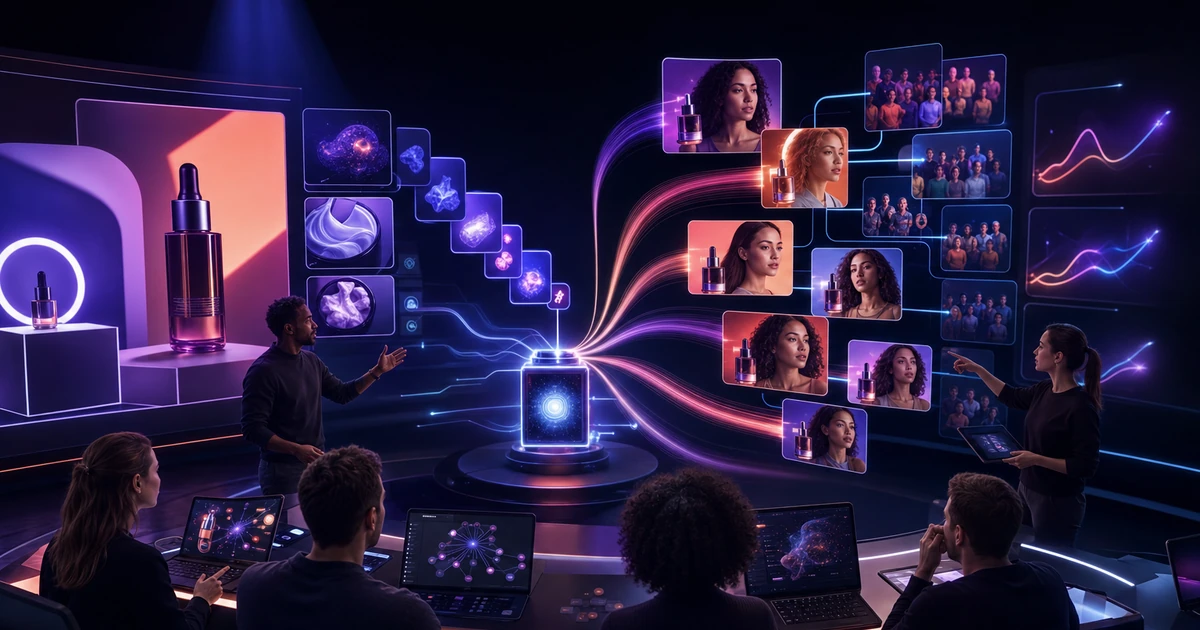
Los anuncios de Facebook e Instagram viven y mueren según la creatividad. La orientación, las ofertas y la estructura de la audiencia son importantes, pero la creatividad es la variable principal que determina si un usuario deja de desplazarse o no. Las marcas que consistentemente obtienen mejores resultados en las redes sociales pagas son más creativas, realizan pruebas más rápido y aprenden más rápido. La generación de IA es la herramienta que permite esta velocidad creativa.
La ventaja de la velocidad creativa
La mayoría de los anunciantes de comercio electrónico tienen restricciones creativas: tienen una o dos creatividades publicitarias por campaña, las ejecutan hasta que el rendimiento disminuye y luego pasan por un largo proceso de producción para crear reemplazos. Este ciclo reactivo significa meses de campañas ejecutándose con creatividades cansadas.
Las marcas con velocidad creativa ejecutan de 5 a 10 variantes por campaña, identifican la creatividad ganadora en un plazo de 7 a 10 días, duplican la apuesta por los ganadores y ya tienen nuevas creatividades desafiantes en cola. La generación de IA es lo que hace que esto sea operativamente viable sin un gran equipo creativo.
Qué funciona en la creatividad meta publicitaria para comercio electrónico
Estilo de vida sobre aislamiento del producto: los anuncios que muestran un producto en uso, en contexto o en un entorno aspiracional superan consistentemente a las fotografías del producto con fondo blanco en el medio y la parte superior del embudo. La excepción es el retargeting: las audiencias de la parte inferior del embudo que ya han visto su producto a menudo responden mejor a las imágenes directas del producto con información de precio/oferta.
Video sobre estático para aumentar el conocimiento: para las audiencias que no conocen la marca, los videos cortos (de 7 a 15 segundos) generan más paradas, más vistas y más conocimiento de la marca al primer toque que las imágenes estáticas. El vídeo no siempre tiene un retorno de la inversión más alto en la parte inferior del embudo, pero en la parte superior es consistentemente más fuerte.
Producto en mano o producto en el espacio: las imágenes que muestran el producto en relación con una persona o un anclaje espacial familiar funcionan mejor que las tomas de productos flotantes. El contexto de escala reduce la incertidumbre de compra.
Texto en imagen: menos es más: la investigación de Meta muestra consistentemente que las imágenes con texto mínimo (menos del 20% de cobertura) superan a las imágenes con mucho texto. Deje que el título y el título lleven las palabras; Deje que el creativo lleve la historia visual.
Gancho llamativo de beneficio único: las creatividades de anuncios estáticos de mayor conversión comunican un beneficio visualmente y dejan que todo lo demás sea secundario. No "5 características que tiene su producto": un beneficio claro demostrado o implícito.
Generación de IA para creatividades publicitarias: el flujo de trabajo
Define tu resumen creativo
Para cada campaña, defina:
- Mensaje visual primario (lo que debe comunicar el creativo)
- Estado emocional del público objetivo (lo que siente el espectador cuando lo ve)
- Intención de CTA (qué acción debe impulsar la creatividad)
- Requisitos de formato (qué formatos de metaanuncios está ejecutando)
Genera 5 variantes creativas por campaña
Estructura tus 5 variantes para probar hipótesis significativamente diferentes:
| Variante | Enfoque creativo | Lo que estás probando |
|---|---|---|
| Un | Contexto de estilo de vida, producto en uso | Estilo de vida versus enfoque en el producto |
| B | Producto limpio con fuerte fondo | Comunicación sencilla del producto |
| C | Enfoque de detalle/textura | Característica destacada |
| D | Imagen de antes/después o resultado | Orientado a resultados |
| mi | Estacional o específico del contexto | Señal de relevancia |
Genere los 5 en las dimensiones de anuncio correctas (mínimo 1:1 y 4:5) en una sola ejecución del canal.
Generar variantes de video
Para cada creatividad estática, genere una versión de vídeo de 10 a 15 segundos. La moción agrega una señal de participación sin requerir material de origen nuevo.
Agregar texto y recursos a Meta Ads Manager
Sube todas las variantes. Escriba tres combinaciones de título y texto principal por creatividad. Lanza todas las variantes en el mismo conjunto de anuncios con la misma distribución del presupuesto.
Leer resultados e iterar
Después de 50 a 100 clics en enlaces por variante:
- Identificar la creatividad de mejor rendimiento (tasa de clics, costo por clic o ROAS según el objetivo)
- Genere 3 creatividades desafiantes que repitan el formato ganador (mismo estilo de vida, diferente producto o escena)
- Pausar variantes de bajo rendimiento, lanzar retadores
Este ciclo se ejecuta continuamente. Las marcas en él superan consistentemente a las estrategias creativas estáticas.
Errores metacreativos comunes con activos generados por IA
Generar y publicar sin pruebas: la IA acelera la producción, pero publicar 10 variantes sin una estructura de prueba produce datos sobre los que no se puede actuar.
Imágenes de estilo de vida demasiado pulidas: las imágenes de estilo de vida de IA pueden parecer demasiado perfectas: entornos que parecen fotografiados por un profesional para una revista. Paradójicamente, esto puede tener un rendimiento inferior al de creatividades más rudimentarias y de apariencia más auténtica en contextos sociales. Añade imperfecciones realistas a tu resumen generacional.
No generar video a partir de estático: si genera una creatividad estática y funciona bien, genere inmediatamente una versión en video del mismo concepto creativo. El vídeo generalmente supera al estático cuando la calidad del contenido es equivalente y el único costo es el tiempo de generación.
Ignorar la especificidad del formato: Generar en 1:1 y recortar a 4:5 pierde calidad de imagen y corta elementos compositivos importantes. Genera cada formato de forma nativa desde el principio.
Related Clyero workflows
Continue with practical workflows for product visuals, video, ad creative, and marketplace content.
Frequently Asked Questions
¿Qué formatos de creatividades publicitarias recomienda Meta para Facebook e Instagram?
¿Qué hace que la creatividad de un meta anuncio funcione bien?
¿Cuántas variantes de creatividades publicitarias debo probar?
Try it free
Build your first AI content pipeline
Turn one product photo into a full content system — images, videos, captions, and posts — in minutes.
Start for freeClyero Team
Producto y crecimiento
Writing about AI content creation, e-commerce automation, and the future of brand storytelling at Clyero.