
Cómo mantener la coherencia de la marca en todo el contenido de comercio electrónico generado por IA
La coherencia de la marca no se trata de usar su logotipo en todas partes, sino de mantener una coherencia visual y tonal reconocible en cada punto de contacto con el cliente. La generación de IA hace que sea más fácil lograr la coherencia a escala si la estructura correctamente, y mucho más difícil de mantener si no lo hace.
Clyero Team
Producto y crecimiento
December 18, 2025
Updated April 4, 2026
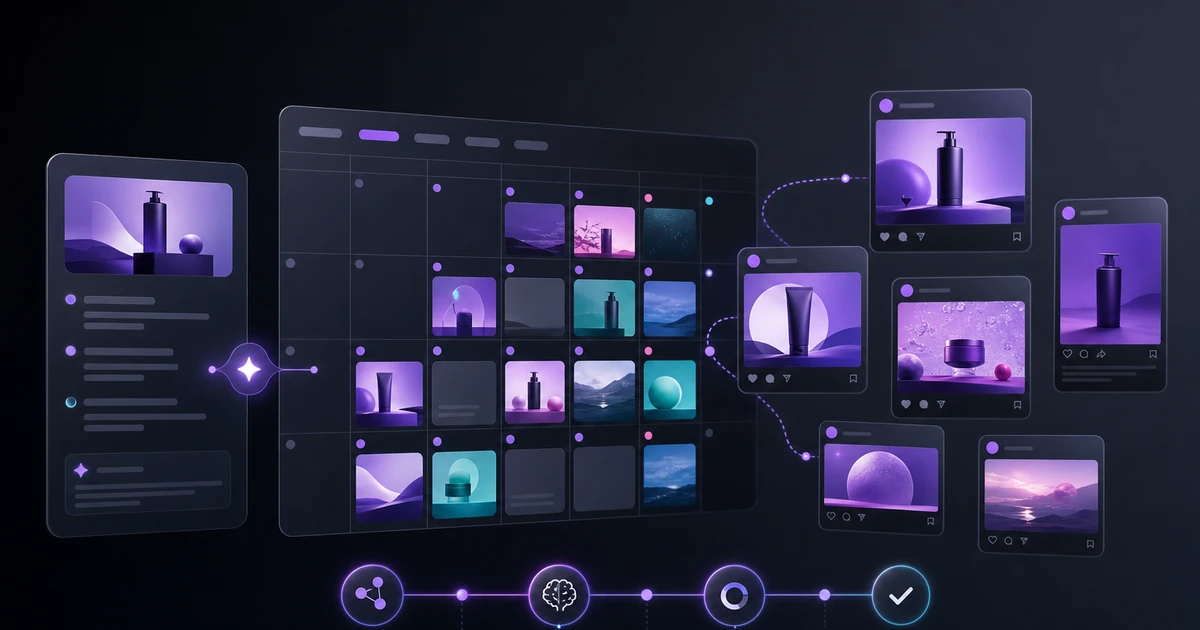
La coherencia de la marca a escala es uno de los problemas operativos más difíciles en las empresas de comercio electrónico en crecimiento. La producción creativa manual fracasa porque cada diseñador, fotógrafo y redactor toma decisiones independientes. La generación de IA introduce un tipo diferente de riesgo de inconsistencia: sin una gobernanza de parámetros explícita, cada generación genera resultados estilísticamente independientes.
Las marcas que obtienen excelentes resultados gracias a la generación de IA tratan la coherencia de la marca como un problema de entrada, no como un problema de salida. Definen los parámetros antes de la generación y la coherencia se produce automáticamente.
¿Qué significa realmente la coherencia de la marca desde el punto de vista operativo?
La mayoría de los debates sobre la coherencia de la marca son abstractos ("usa tus colores de forma coherente", "mantén tu voz"). En la práctica, la coherencia de la marca en la producción de contenidos significa cinco cosas específicas:
Coherencia visual: tus imágenes comparten el mismo estilo de iluminación, tipo de fondo, temperatura de color y lógica de encuadre. Un cliente que ve su publicación de Instagram y luego visita la página de su producto debería experimentar una continuidad visual.
Coherencia tonal: los subtítulos, las descripciones de los productos y el texto del anuncio comparten el mismo registro: formal o informal, técnico o accesible, discreto o entusiasta.
Coherencia de formato: su contenido respeta las mismas reglas de composición en todos los resultados: disciplina de relación de aspecto, convenciones de colocación de texto, marco de presentación de productos.
Precisión del color: los colores de sus productos se reproducen de la misma manera en todos los canales y formatos de salida. La variación de color entre las imágenes de su sitio web y las publicaciones sociales crea una percepción de inconsistencia incluso cuando todo lo demás coincide.
Consistencia de cadencia: un volumen de contenido regular y predecible indica una marca seria y profesional. La publicación inconsistente rompe el reconocimiento de patrones.
El enfoque del kit de marca para la generación de IA
Un kit de marca para la generación de IA no es un PDF de directrices de marca: es un conjunto de parámetros operativos que rigen cada ejecución de generación. Esto es lo que contiene un kit completo de marca de generación de IA:
Parámetros visuales:
- Tipo de fondo (blanco, estilo de vida, color sólido, superficie texturizada)
- Dirección y temperatura de la iluminación (cálida/fría, suave/dura, ángulo direccional)
- Paleta de colores (valores HEX primarios que informan la selección del entorno)
- Encuadre de imagen (porcentaje de relleno del producto, orientación, espacio negativo)
- Perfil de posprocesamiento (curva de contraste, saturación, configuración de nitidez)
Parámetros tonales:
- Guía de estilo de redacción (3 a 5 reglas, no pautas completas de la marca)
- Notas de voz específicas de la plataforma (LinkedIn formal, Instagram conversacional, etc.)
- Términos a usar y evitar
Parámetros de formato:
- Dimensiones de salida por canal
- Zonas de colocación de superposición de texto
- Reglas de colocación del logotipo.
Cuando este kit se carga en el sistema de generación de Clyero, cada ejecución de tubería, independientemente del modelo que genere la salida, hereda estas restricciones. El resultado es una identidad visual coherente en toda su biblioteca de contenidos.
Fallos comunes de coherencia y cómo prevenirlos
El problema del fondo: generar algunos productos en blanco, otros en fondos de estilo de vida, otros en colores sólidos porque diferentes personas ejecutaron diferentes configuraciones de canalización. Prevención: bloquee el tipo de fondo en su kit de marca y aplíquelo en toda la generación del catálogo.
La variación de la temperatura del color: las imágenes de diferentes sesiones tienen diferente calidez: algunas se sienten cálidas, otras frías. Prevención: establezca un equivalente Kelvin explícito en sus parámetros de generación y valídelo con una muestra de referencia antes de cada ejecución por lotes.
El problema de la voz de los subtítulos: texto escrito en diferentes estilos en publicaciones sociales y descripciones de productos. Prevención: codifique una guía de voz de 3 reglas en el mensaje de generación de subtítulos de su LLM y aplíquela globalmente.
El problema del cambio de modelo: usar diferentes modelos de imagen para diferentes productos en función de lo que parecía funcionar en un día determinado, generando resultados estilísticamente incompatibles. Prevención: seleccione un modelo principal por caso de uso y documentelo. Sólo cambia de modelo intencionalmente y actualiza el kit de marca cuando lo hagas.
Construyendo un sistema de control de calidad
La coherencia de la marca sin revisión es teórica. Cree un proceso de control de calidad ligero:
- Antes de cada lote: extraiga las últimas 5 piezas publicadas de ese canal y muéstrelas junto a las entradas de nueva generación. Los problemas de coherencia visual son inmediatamente obvios en la vista de cuadrícula.
- Revisión semanal: exporte el contenido publicado de los últimos 7 días a una vista de cuadrícula. Busque valores atípicos que rompan el patrón visual.
- Calibración trimestral: actualice los parámetros de su kit de marca si el contenido de temporada, las nuevas líneas de productos o los cambios de campaña requieren una evolución de estilo.
Por qué la coherencia aumenta con el tiempo
Una marca con una identidad visual consistente en 500 piezas de contenido ha creado una huella digital visual. Los clientes habituales reconocen el contenido como perteneciente a la marca antes de leer una palabra. Este reconocimiento reduce la fricción en las decisiones y aumenta la confianza en la compra.
El argumento económico es el siguiente: el contenido inconsistente no sólo es estéticamente subóptimo: socava activamente el valor de marca construido por cada contenido anterior. Cada pieza generada por IA que parece fuera de marca es una pequeña erosión de ese valor. La disciplina del kit de marca evita que esto se agrave a gran escala.
Related Clyero workflows
Continue with practical workflows for product visuals, video, ad creative, and marketplace content.
Frequently Asked Questions
¿Qué es un kit de marca en el contexto de la generación de contenidos con IA?
¿Cómo defino mi marca visual para la generación de IA?
¿Puede la generación de IA producir resultados coherentes con la marca en vídeo e imagen?
Try it free
Build your first AI content pipeline
Turn one product photo into a full content system — images, videos, captions, and posts — in minutes.
Start for freeClyero Team
Producto y crecimiento
Writing about AI content creation, e-commerce automation, and the future of brand storytelling at Clyero.
Related Articles
Consistencia visual de la marca a escala: cómo la IA mantiene coherente su producción creativa
A medida que las marcas de comercio electrónico amplían su producción de contenido con la generación de inteligencia artificial, la coherencia visual se convierte en la cualidad más difícil de mantener. Las marcas que lo resuelven crean una huella digital visual que genera reconocimiento y confianza. Marcas que no producen contenido que parezca generado y genérico.
March 10, 2026
Consistencia visual de la marca a escala: cómo la IA mantiene coherente su producción creativa
A medida que las marcas de comercio electrónico amplían su producción de contenido con la generación de inteligencia artificial, la coherencia visual se convierte en la cualidad más difícil de mantener. Las marcas que lo resuelven crean una huella digital visual que genera reconocimiento y confianza. Marcas que no producen contenido que parezca generado y genérico.
March 10, 2026
Cómo se lanzan las marcas DTC en todos los canales simultáneamente con IA
Las marcas directas al consumidor que activan todos los canales el día del lanzamiento generan una mayor velocidad de ventas inicial y un mejor rendimiento algorítmico que las marcas que realizan el lanzamiento por canal. Los canales de contenido de IA hacen operativamente viable el lanzamiento multicanal simultáneo para equipos de cualquier tamaño.
March 1, 2026